Product Description
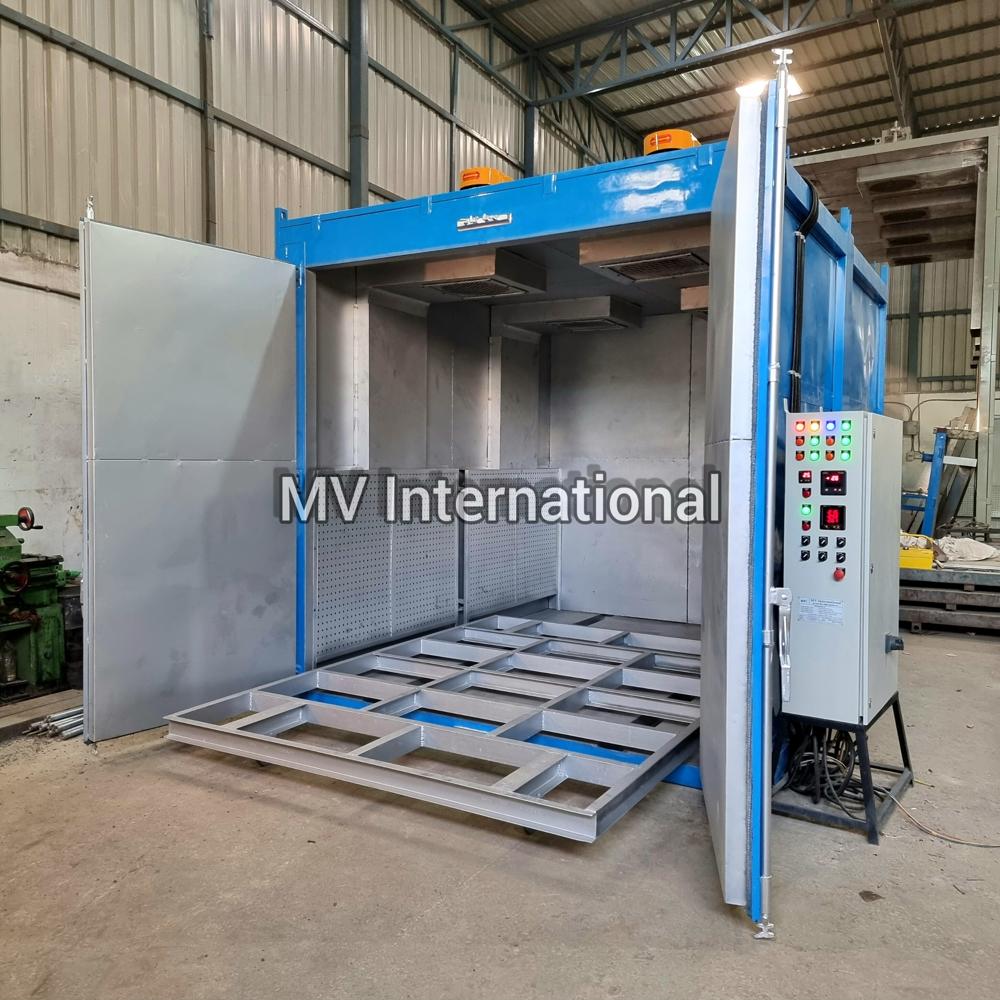
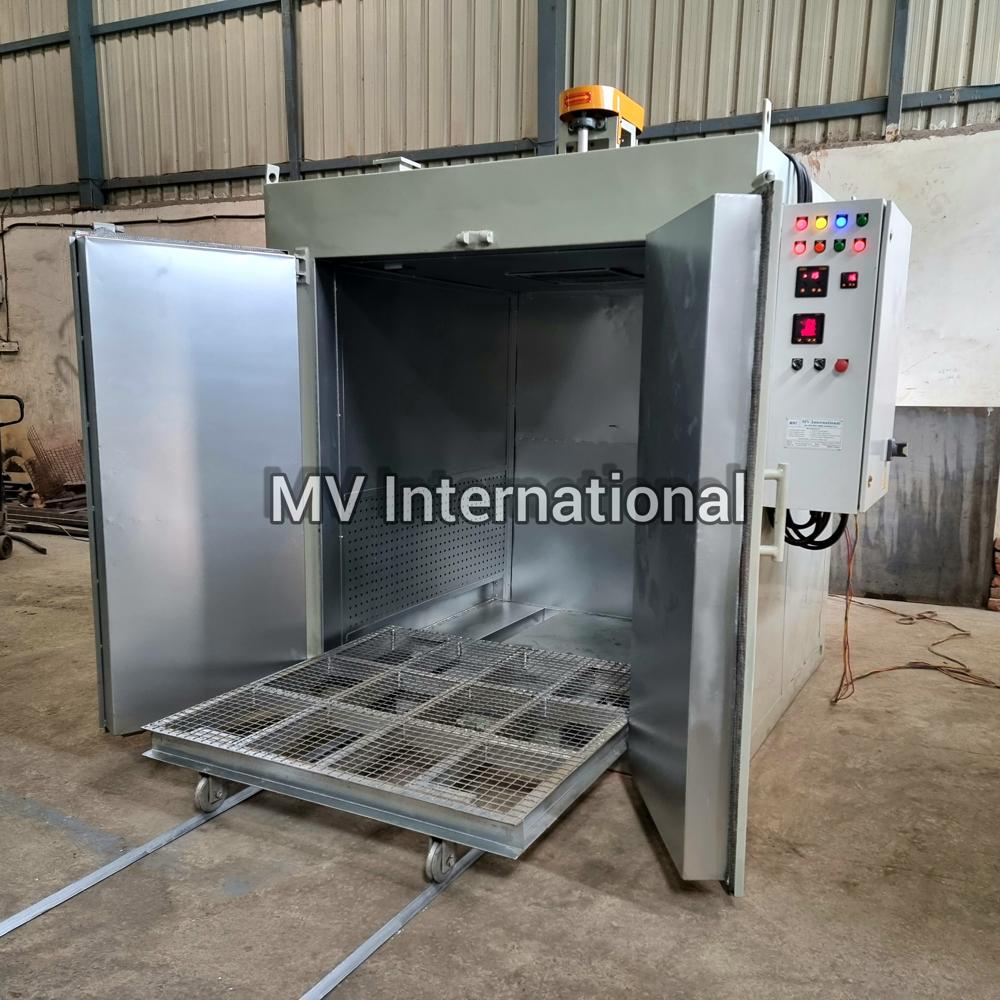
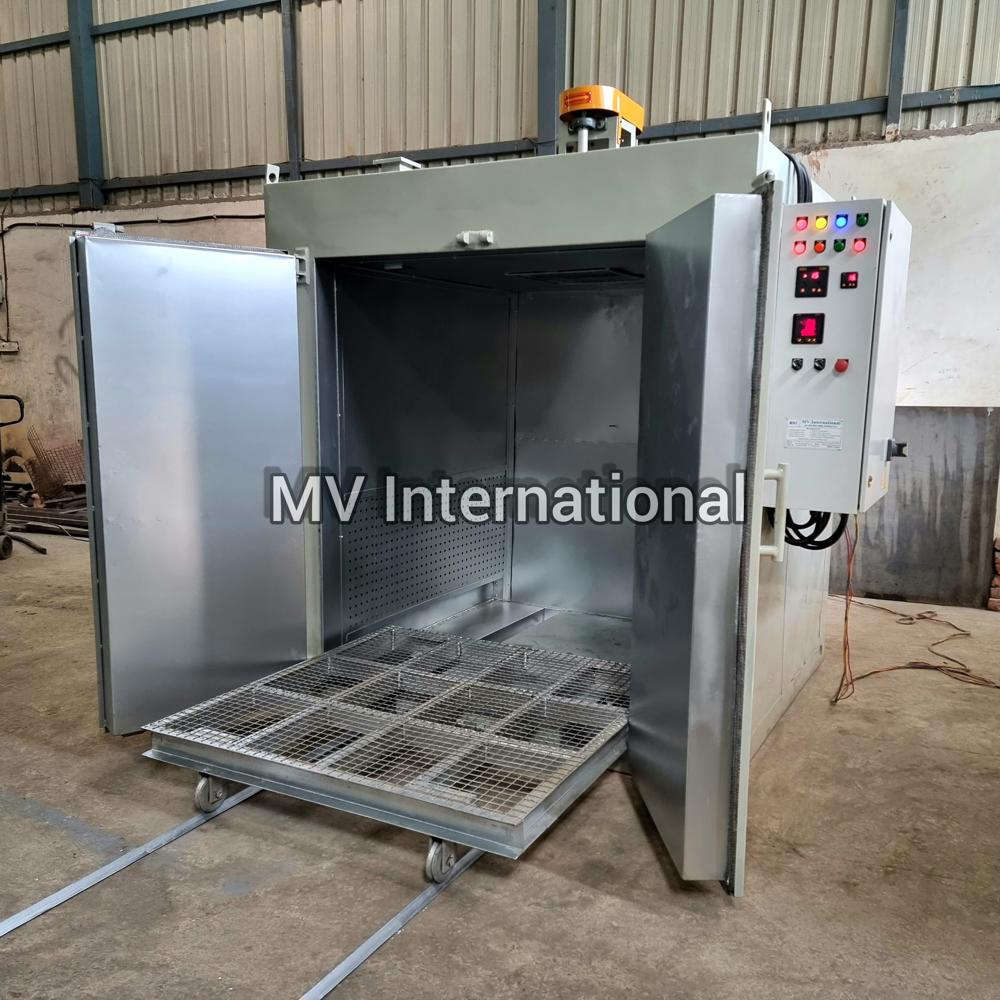
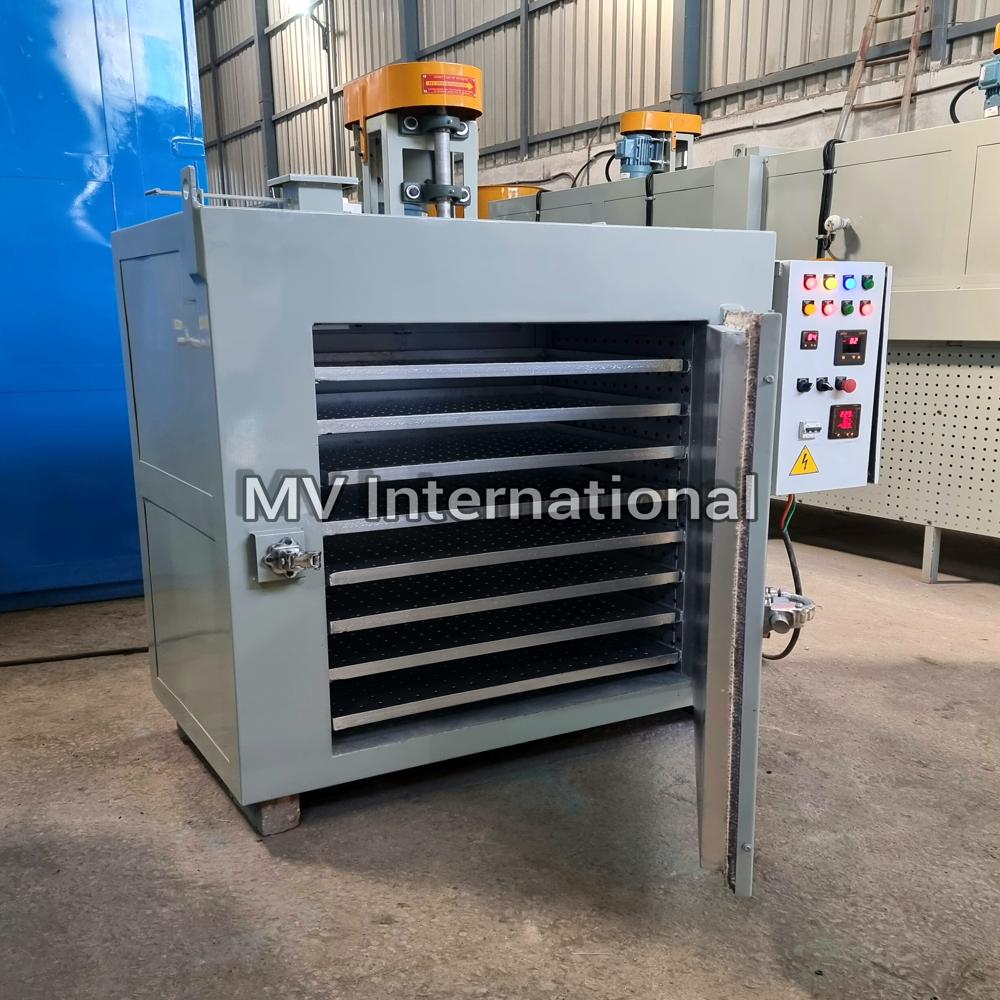
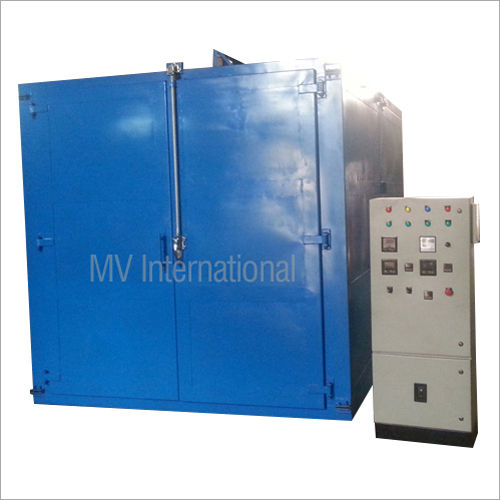
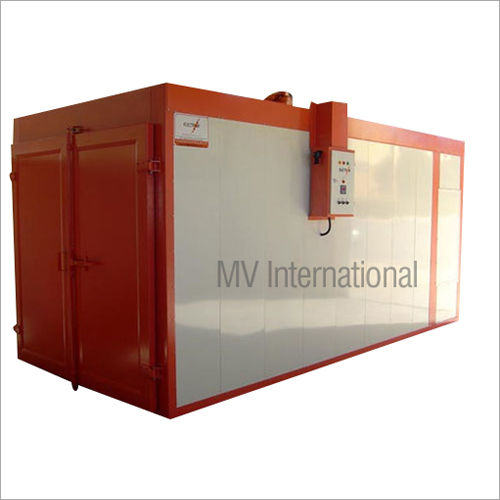
We have been serving our respected clients since 1989 by manufacturing and supplying excellent quality Electric Oven for HT LT Motors. We offer this machine in diverse specifications and designs in order to meet varying demands of customers. This machine is highly appreciated in the market for its numerous qualities such as high-performance efficiency, longer service life, low maintenance, flawless appearance, and anti-corrosive nature. These ovens are extensively used in many industrial applications for variegated purposes. Electric Oven for HT LT Motors is duly checked on well defined parameters prior to dispatch to ensure full customer satisfaction.
Distinctive features of Electric Oven for HT LT Motors:
- Microcomputer controlled processor of this heating oven utilizes electric signal.
- It is equipped with stainless steel made working chamber with high temperature proof surface.
- Excellent thermal performance, PID self tuning arrangement, high sensitivity level
- Light weight nature and energy efficient operation
Technical Specifications:
|
Temperature Range
|
50 C - 200 C, 300 C, 400 C
|
|
Power supply
|
415 Volts Three Phase 50Hz / 60Hz
|
|
Air-Flow Direction
|
Vertical Down / Horizontal Airflow
|
|
Material Placement
|
Trolley or Trays
|
|
Heating Media
|
Electric Tubular Heater.
|
|
Inner Chamber
|
MS or SS anyone
|
|
Outer Chamber
|
MS or SS 304 on request
|
|
Window
|
Front glass window for process check up
|
Superior Construction and DurabilityThe oven's mild steel body is available with powder coated or painted finishes, providing resilience against corrosion and wear. This construction ensures longevity and reduces maintenance requirements, making it suitable for rigorous industrial environments.
Precise Temperature ControlEngineered to operate between 100-200C, the oven offers precise temperature regulation crucial for the effective drying and curing of HT LT motors. This feature helps maintain optimal performance and prolongs the service life of your motors.
Tailored for HT and LT Motor ApplicationsSpecially designed for high and low tension motor servicing, this electric oven assists in processes such as insulation curing and moisture removal. It is an essential tool for motor manufacturers, repair workshops, and industrial suppliers.
FAQ's of Electric Oven for HT LT Motors:
Q: How is the electric oven used for HT and LT motor applications?
A: The electric oven is primarily used for drying, curing, and heat treating HT and LT motors. After the motors are assembled or serviced, they are placed inside the oven to remove moisture or cure insulation, ensuring optimal electrical performance.
Q: What are the main benefits of the powder coated and painted surface finishes?
A: Powder coated and painted finishes enhance the oven's resistance to corrosion, scratches, and impacts. This not only contributes to a longer equipment lifespan but also helps maintain a clean and professional appearance in your facility.
Q: When should I use the oven's 100-200C temperature range?
A: The recommended temperature range of 100-200C suits various motor insulation curing and drying applications. Adjust the temperature based on the manufacturer's specifications for the particular type and size of motor being processed.
Q: Where can these electric ovens be supplied or exported within India?
A: As a manufacturer, supplier, and exporter based in India, we can deliver these electric ovens to industrial clients nationwide, including major motor manufacturers, repair facilities, and process plants across different regions.
Q: What materials are used in the construction of this electric oven?
A: The oven's main structure is made of high-grade mild steel, selected for its durability and strength. Its exterior is finished with either powder coating or paint to protect against operational wear and environmental factors.
Q: How does the voltage specification affect the oven's performance?
A: Operating at 415 Volts, this electric oven is compatible with standard industrial power supplies in India, ensuring steady operation and efficient power consumption for various thermal processes.

 English
 Spanish
 French
 German
 Italian
 Chinese (Simplified)
 Japanese
 Korean
 Arabic
 Portuguese


 Product Video









 Send Inquiry